Choosing the Best Material for Your Sunroom
Choosing the Best Material for Your Sunroom
Are you feeling the heat to choose the right sunroom material?
Choosing the right material can feel overwhelming, especially when every contractor seems to recommend something different.
It’s time we bring some clarity into the conversation! The three most common materials for sunroom additions are wood, aluminum, and vinyl.
OH Sunrooms specializes in aluminum and vinyl Betterliving Sunrooms for homeowners throughout Central Ohio. We understand the challenges that Ohio’s changing seasons can present and what sunrooms need to withstand to provide years of enjoyment. Whether OH Sunrooms builds your sunroom or not, this article will tell you about the materials used to build different types of sunrooms and give you some tips for planning your perfect sunroom addition.
What Types of Sunroom Materials Are There?
The three most common materials used to build sunrooms are wood, aluminum, and vinyl. As you plan your perfect sunroom addition, these materials will help determine what other sunroom features you have to choose from. There are three things that all of these materials have in common:
- Size Limitations Usually Don’t Factor into Design: Sunrooms built with these materials do have an upper size limit. However, more often than not, you will reach the upper range of your budget before you run into construction limitations.
- Same Foundation Requirements: Sunrooms can be added to a home in several ways. Sunrooms can be built on concrete patios, decks, covered porches, or newly constructed foundations. If no suitable foundation exists, one can typically be added as part of the project.
- Under-Existing Capabilities: Building an “under-existing” sunroom means that there is already a roof structure and the rest of the sunroom is built under the existing roof. Think of it as closing in a porch.
Each material has its characteristics and comes with pros and cons.
Before diving into each material, here’s a quick overview of how they compare:
| Material | Best For | Maintenance | Year-Round Use |
| Wood | Custom designs | High | Yes |
| Aluminum | Screen rooms and three-season sunrooms | Low | No |
| Vinyl | Climate-controlled sunrooms | Low | Yes |
How We Guide Your Sunroom Project
Designed Around Your Lifestyle
Whether you're creating a relaxing retreat, entertaining space, home office, or year-round living area, we'll help design a sunroom that fits the way you live.
Expert Material Recommendations
We'll compare vinyl and aluminum sunrooms, explaining the benefits of each so you can confidently choose the material that best fits your home's style, maintenance preferences, and budget.
Custom Designs for Your Home
Every home is different. We'll evaluate your existing space and recommend a sunroom design that complements your home's architecture while making the most of your available space.
Wood Sunrooms (or Stick-Built Sunrooms)
Wood sunrooms, also called stick-built sunrooms, use traditional framing methods with 2 x 4’s for the walls and oversized windows to bring in large amounts of natural light. These are most often installed on homes as the home is being built, as opposed to as an addition later on.
All three types of sunrooms, screen rooms, three-season, and year-round rooms can be built with wood.
Consider the advantages and disadvantages of sunroom construction using wood.
Advantages of Wood Sunrooms
- Most Design Flexibility: You can build them as squares, rectangles, octagons, etc. They can have hipped, gable, or shed roofs.
- Perfectly Matches the Rest of the Home: Because stick-built sunrooms are built at the same time as the home, they blend perfectly with the home.
Disadvantages of Wood Sunrooms
- High Maintenance: Wood sunrooms are usually painted or sealed. This finish coat has to be reapplied every 3-5 years to maintain its appearance and protective quality, adding time and money to your sunroom maintenance plan.
- Susceptible to Water Damage: As with anything built out of wood, stick-built sunrooms are susceptible to water damage. Screen rooms especially can end up with rotten posts because water has penetrated through the screens and eaten away at the wood structure.
- Compromised Structural Integrity with Temperature Fluctuations: In Ohio, frequent temperature fluctuations cause wood to expand and contract as the seasons change. Over time, this will result in boards twisting or bowing. If they move enough, it can pull the whole room out of alignment and jam windows or doors so they do not open and close properly.
When is a wood sunroom right for your home?
Wood sunrooms are the best fit if you want a custom shape (not square or rectangle) or customized wood character for your sunroom. If you are not building a new house currently, wood sunrooms will not be the most cost-effective option for your sunroom addition. Aluminum and vinyl sunrooms can also be built alongside a house and offer many advantages over wood sunrooms. If you want to add a sunroom to an existing home, aluminum and vinyl are better options for sunroom additions.
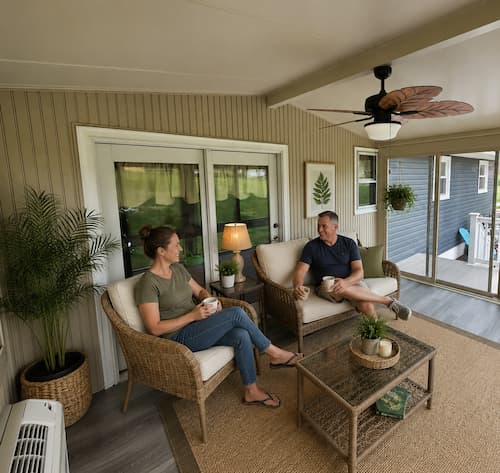
Your New Favorite Room
Tell us what you’re envisioning, and we’ll help you explore the room styles, designs, and payment options that may fit.
Start a conversation with one of our design consultants today.
Aluminum Sunrooms
Aluminum is used to construct pre-fabricated sunroom pieces that are then assembled on the job site. They can be screen rooms or three-season rooms. The primary difference between screen rooms and three-season rooms is whether you install sunroom windows.
Advantages of Aluminum Sunrooms
- Water Resistant: Aluminum is a rust-free metal, meaning that water will not eat away at the material.
- Resistant to Temperature Fluctuations: Aluminum will expand and contract uniformly with temperature fluctuations. This means that the structural integrity of the sunroom will not degrade even after years of Ohio’s seasonal changes.
- Low to No Maintenance: Aluminum sunroom pieces are powder-coated paint finish, meaning they will not need to be repainted. Depending on where you live, your sunroom might need to be rinsed off but it will be as easy as washing your car.
Disadvantages of Aluminum Sunrooms
- Less Insulated than Vinyl Sunrooms: Aluminum sunrooms typically provide less insulation than vinyl sunrooms, making them better suited for seasonal use rather than full-time climate-controlled living. While many aluminum systems include insulated components that improve comfort, they generally aren’t designed to maintain consistent indoor temperatures during the hottest summers or coldest winters.
When is an aluminum sunroom right for your home?
Aluminum sunrooms are the right fit for anyone wanting to build a screen room or three-season room. If you want to save money and don’t plan on using your sunroom in extreme temperatures, then aluminum will be the right sunroom material for you.
Aluminum will not be your best option if you want to be able to use your sunroom all year round, even in the heat of summer and dead of winter.
If you want to use your sunroom in any type of climate, you will want to consider a vinyl sunroom.
Vinyl Sunrooms
Vinyl is used to wrap aluminum to create thermal breaks in the sunroom wall panels. Vinyl sunrooms are year-round rooms. The thermal breaks in vinyl rooms reduce heat transfer through the walls, helping keep the room cooler during hot Ohio summers and warmer during the winter months. Because vinyl sunrooms can be heated and cooled, many homeowners use them as home offices, reading rooms, entertainment spaces, dining areas, or places to enjoy outdoor views year-round.
Advantages of Vinyl Sunrooms
- Waterproof: Vinyl is unaffected by water.
- Resistant to Temperature Fluctuations: Like aluminum, vinyl is a uniform material and will expand and contract uniformly with temperature changes. The structure of vinyl will remain strong through years of Ohio seasons.
- Low to No Maintenance: Also like aluminum, vinyl will not need to be repainted and any cleaning is simple and dependent on the environment in which you live.
Disadvantages of Vinyl Sunrooms
- Higher Cost than Aluminum: Vinyl rooms cost more than aluminum rooms. This is because of the thermal breaks and because vinyl rooms also come with an AC/Heating unit, requiring more electrical work.
When is a vinyl sunroom right for your home?
Vinyl sunrooms can be used year-round and have no regular maintenance. If you want to enjoy your sunroom in all weather conditions without having to repaint or reseal regularly, vinyl sunrooms are your solution.
Vinyl sunrooms do cost more than aluminum. If you want an enclosed outdoor living space but want a lower price point, vinyl may not be the best option for you. Aluminum would offer you a better fit for your budget.
As you consider and plan for a sunroom addition, the key is deciding how and when you plan to use your sunroom. This will help you decide the size and type of room that will best fit your lifestyle.
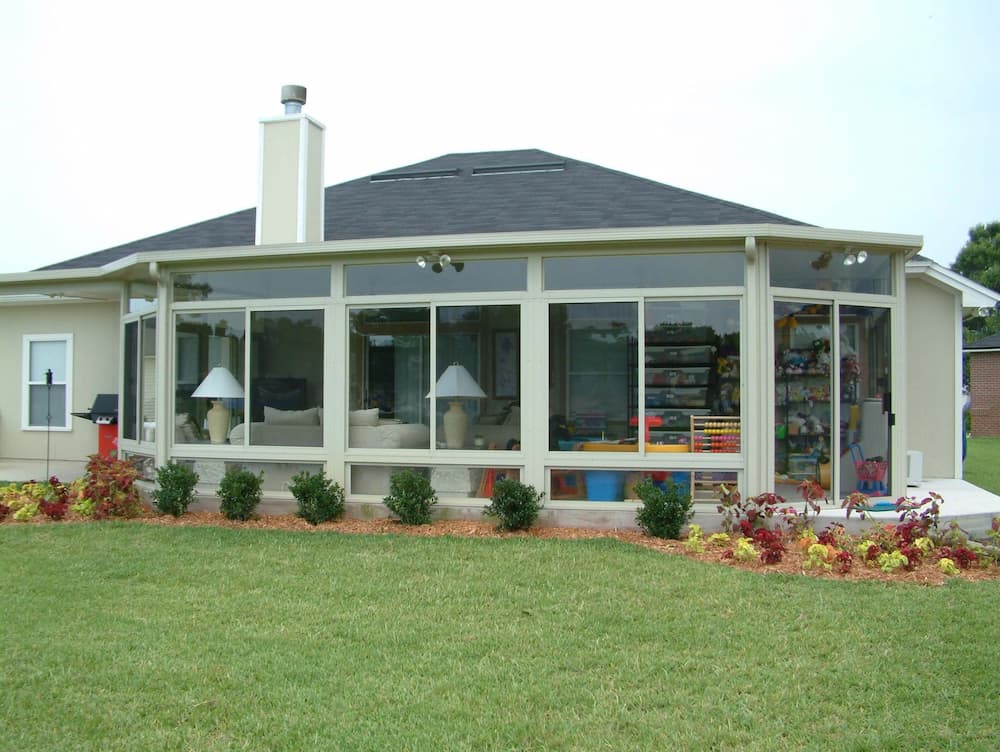
Why OH Sunrooms Uses Betterliving Sunrooms
At OH Sunrooms, we install Betterliving Sunrooms because they combine low-maintenance materials with energy-efficient design. Betterliving’s aluminum and vinyl sunroom systems are engineered for durability, energy efficiency, and long-term performance. They are designed to withstand Ohio’s changing weather conditions while providing homeowners with attractive, comfortable outdoor living spaces for years to come.
Which Material Should You Use to Build Your Sunroom?
Whether you’re enjoying a cool fall evening, watching a summer thunderstorm roll through, or relaxing indoors during the winter, choosing the right sunroom material will help ensure you get the most from your investment.
The best sunroom material ultimately depends on how you plan to use the space. If you want a low-maintenance room for spring, summer, and fall, aluminum may be the right fit. If you want a fully climate-controlled room you can enjoy throughout the year, vinyl is often the better choice. Understanding your goals first will make every other design decision easier.
As you plan for a sunroom addition, learn about the types of glass in sunrooms. This feature alone will tell you whether a company is installing quality materials and how efficiently your room will maintain comfortable temperatures. If you’re ready to explore your options, schedule a free in-home consultation with OH Sunrooms.